

My Experience Living in a Blue Zone

Updated: Jan 9
Abundance without indulgence, elegance without excess and nourishment in its truest form.
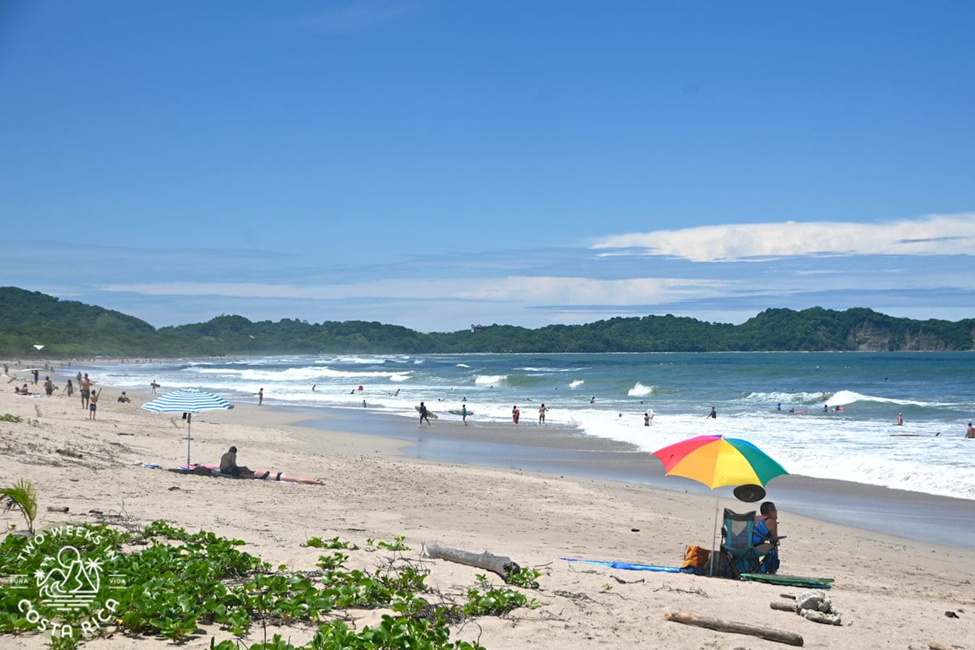
Recently, during my vacation, I traveled to Nosara, in the Nicoya Province, in Costa Rica, one of the world’s top five Blue Zones—(where world's highest number of centenarians live in the world) with the intention of experiencing life in its most natural form and observing the changes within myself. What I felt and experienced during those days was nothing short of a miracle.
Despite a demanding schedule as a working professional and a mother, I stayed in Nosara for 12 days. During that short window, I committed to living as closely as possible to the local way of life—slowing down, syncing with nature, and immersing myself fully rather than simply visiting as a tourist.
I will share the changes I noticed, both internally and externally in the end of this blog. To begin with, Nosara itself is breathtaking—crystal-clear beaches, lush greenery, and an overwhelming sense of calm in every direction. But there’s an important detail that truly defines the experience: the near-total absence of modern infrastructure.
Yes, you heard it right!
There are no paved roads, no global franchises, no elevators, no factory farms, no huge malls and no crowds. Life here is intentionally simple.
First, this lack of convenience feels unfamiliar especially for people coming from the US. Then, slowly, it becomes free. With fewer distractions and less noise—both literally and mentally—you begin to feel your body and mind recalibrate. Nature is not something you visit; it is something you live within. And in that space, subtle but powerful changes begin to unfold.
9 Things Unique to Nosara-
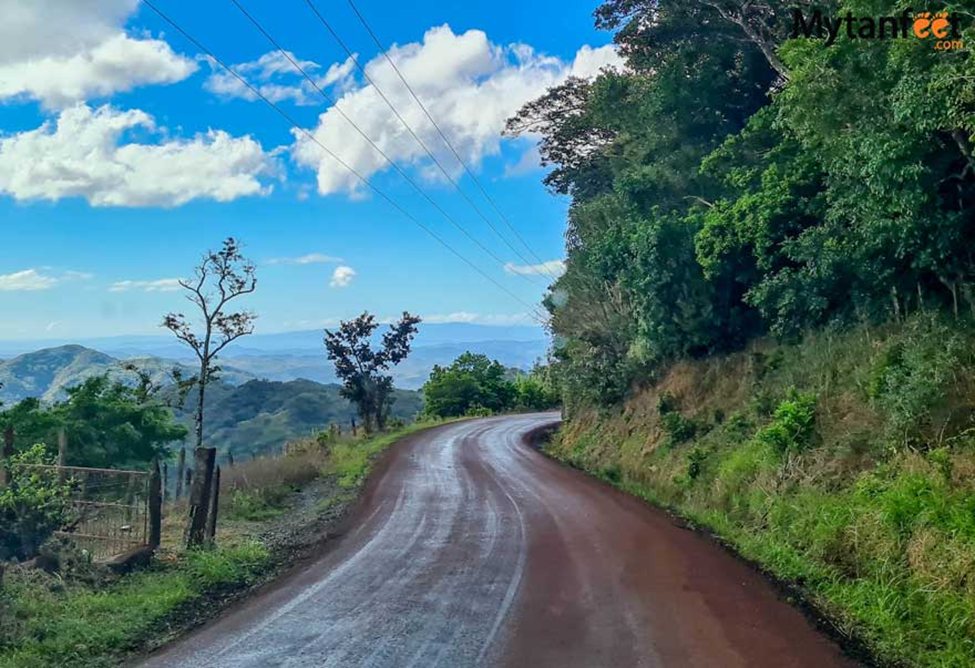
1-Walking Effortlessly- Because the roads in Nosara are uneven, rocky, and often unpaved, walking becomes the default mode of movement. Outside of the few main roads—where city buses drop people off and pick them up for their daily work—most paths are simply man-made trails or bumpy walkways. People walk everywhere, unhurried and persistent, even under the intense tropical sun, moving from one place to another as a natural part of life rather than an inconvenience.

2-Climbing 500 steps is a daily routine- Another striking change was the complete absence of elevators—even in well-known places like Bodhi Tree Yoga Resort. Stairs are simply part of the landscape. Without realizing it at first, I was climbing an average of 250–500 steps each day. The first two days were challenging; my legs ached and I felt ready to give up. But gradually, my body adapted. Climbing became effortless, almost automatic, and I stopped missing elevators altogether.

3-Foods don’t need to be refrigerated- The food system was equally eye-opening. With no factory farms, most eggs, meat, and produce are kept out in the open at local grocery stores rather than sealed away in refrigerators. Many small shops don’t even have refrigeration for these items. Yet despite the large number of tourists visiting from the U.S. during the winter months, everything operates smoothly and quietly. People respectfully select what they need, without excess or urgency.
4-Fish is delivered by local fishermen-Fresh fish, perhaps the most beautiful example of this simplicity, is often sold directly by fishermen who bring their catch straight from the sea to nearby homes. There is no long supply chain—just fresh food, human connection, and trust. In this environment, nourishment feels deeply real, intentional, and alive.
5-Unbelievable nourishing salads-Every meal felt like a true farm-to-table experience. It wasn’t just the vegetables themselves, but the care and creativity behind every detail. Even the salad dressings were made fresh by the chefs using local ingredients. I once watched a chef prepare a dressing with fresh pineapple juice, turmeric, and raw local honey, it tasted like a delicacy. What struck me most was that no two dressings were ever the same. Each restaurant created its own versions based on whatever ingredients were freshest that day. And if I loved the dressing that much, you can imagine how deeply I enjoyed the salads themselves.
6-Hygine & Cleanliness-There are a few fast-food options for those who crave them, but I never felt tempted. I consistently chose local, wholesome meals—and the cleanliness standards were exceptional. None of us, including my children, experienced any digestive issues or illness during the entire trip, which speaks volumes about the quality of the food. Even the bread stood out. Most of it is made locally by individual chefs, and no two loaves taste alike. Each has its own character—sometimes infused with raisins, berries, or other small, delightful surprises. Every bite felt intentional, nourishing, and deeply connected to the land it came from.

7-Homes nestled in nature-Every home seemed to be surrounded by abundance—banana trees, palm trees, and coconut groves everywhere you looked, with fresh fruits like oranges and avocados readily available. Being on vacation, I decided this was the perfect time to begin intermittent fasting. Even though I woke up daily at sunrise around 6 a.m., I had my first meal at about noon and dinner around 7 p.m., allowing my body to settle into a natural rhythm.. During my stay in Nosara, I was also introduced to a local ginger-and-turmeric tea. Starting my day with this tea felt almost transformative—it gently but effectively supported my digestion.

8-Low population- Since the infrastructure like roads and bridges are poor you will never find the city flooded with people. One can easily spot the difference between tourists and locals and during winter months more than 90 percent of the people on streets are tourists. Even though the time I went to was peak season for tourists and yet the place didn’t feel crowded or rushed into .
9-Beautiful women- What stood out most to me in Nosara was how effortlessly natural the women were—locals and tourists alike. Makeup was almost nonexistent, not just as a rule, but as a response to the humid climate. With the heat and humidity, makeup quickly fades, making it feel unnecessary and even uncomfortable. Instead, women confidently embraced their natural skin everywhere—from small local shops to social gatherings and parties. There was quiet confidence in this simplicity that felt refreshing and empowering. As someone who already believes in using zero to minimal makeup—especially because many cosmetic products contain harmful chemicals like phthalates and formaldehydes—it was inspiring to see this philosophy being lived so organically. No one was trying to make a statement, yet together it created a powerful one: ease, authenticity, and self-acceptance woven seamlessly into daily life.
During the trip, I also visited several neighboring towns near Nosara, including Flamingo, Tamarindo, Playas del Coco, and La Fortuna. While each place shared a similar natural beauty, every town had its own distinct flavor—different food styles, slightly different crowds, and unique energy. Yet across all of them, the same underlying spirit remained: carefree, warm, and deeply loving.
3 Major Highlights of this trip-


1-Leona Waterfall
One of the most memorable experiences was visiting the famous Leona Waterfall, known for its striking blue water. Locals explained that the color comes from mineral-rich waters flowing from nearby volcanic sources, giving it its distinctive hue and clarity. What made the experience even more special was how close you could get—standing just feet away from the waterfall without fear of drowning or even getting your head wet.
For me, it felt like a deeply cleansing experience merging myself in pure, mineral-rich water sourced from the earth’s most nourishing layers. It wasn’t just about seeing a beautiful waterfall; it felt like allowing nature itself to reset and replenish the body, gently and generously.
2-Saint Lucas tree top restaurant


Another major highlight of my time in Nosara was visiting the famous treetop dining experience near the town—Saint Lucas Tree Top Dining Experience. Nestled high among the trees, the restaurant is celebrated not only for its breathtaking views but also for the way it elevates local cuisine without losing its soul.
The experience was nothing short of extraordinary. Local ingredients were transformed by five-star–trained chefs into dishes that felt both refined and deeply rooted in tradition. Every plate was prepared and served with immense care, honoring the essence of local food while presenting it in a fresh, exciting way.
The server brought out seven to eight thoughtfully curated dishes, each perfectly portioned. Every bite was flavorful, intentional, and satisfying. What struck me most was how I felt at the end of the meal—not heavy, not overstuffed, but deeply nourished. It was the kind of dining experience that feeds you from the inside out, leaving you energized, grounded, and grateful rather than exhausted by excess.
It perfectly reflected the spirit of Nosara itself: abundance without indulgence, elegance without excess, and nourishment in its truest form.
3-10 Subtle yet Powerful Changes I Felt from Within
During my time in Nosara, the shifts I experienced were subtle at first, but deeply profound as the days passed. These changes weren’t forced—they unfolded naturally as my body and mind realigned with nature.
A deep and steady sense of peace and joy
Clear, radiant facial skin, free from dark spots and acne
Noticeable reduction in hair fall, with early signs of improvement in hair health
Effortless, regular bowel movements each morning—natural, pain-free, and not chemically induced.
A significant reduction in excessive urination, signaling better fluid balance.
Improved, healthy sweating that felt cleansing, as though toxins were being released through the skin
An ongoing sense of calmness, clarity, and positivity
A profound feeling of connection to nature and the five elements—earth, water, fire, air, and space
Spontaneous waking during brahma muhurta (early morning minutes before sunrise), without the need for an alarm
Sustained energy throughout the day, making long walks and treks feel enjoyable rather than exhausting.
Together, these changes felt like a quiet reset—my body functioning with ease, my mind settling into stillness, and my energy flowing in a way that felt both grounded and expansive.
Conclusion-
Now imagine if I had stayed there longer—perhaps for months, or even years. The depth of change and the quiet joy that come from living in a Blue Zone are undeniably real and profoundly transformative. Experiencing it firsthand left me with no doubt that longevity is not a mystery reserved for a few, but a natural outcome of a certain way of living. If we truly learn to live as people in Blue Zones do—aligned with nature, simplicity, community, and with well balanced food—then centenarians would no longer be an exception, but a common and achievable reality for each one of us.
References from medical journals -
Living in a Blue Zone can positively affect health by promoting longevity and reducing age-related diseases, primarily through beneficial environmental, dietary, and social factors.[1][2] These regions—including Sardinia (Italy), Ikaria (Greece), Okinawa (Japan), Nicoya (Costa Rica), and Loma Linda (California)—demonstrate higher proportions of centenarians and exceptional life expectancy compared to national averages.[3]
The health benefits stem from sustained exposure to protective environmental and lifestyle factors. Key determinants include biodiverse natural environments, adherence to plant-based diets rich in polyphenols and probiotics (such as the Mediterranean diet), regular physical activity, strong social networks, and psychological resilience.[1][2][4] In Ikaria, for example, 77.9% of nonagenarians reported daily social contact, and 71.8% maintained moderate to high physical activity levels.[4] These factors collectively modulate inflammation, immune-metabolic health, and cellular aging through mechanisms including gut microbiome diversity and epigenetic regulation.[1][5]
Lifestyle and environmental influences appear more significant than genetics in shaping longevity in Blue Zones. Compared to reference populations, Blue Zone residents show higher proportions of individuals with optimism, better self-rated health, and lower frequencies of certain genetic risk markers, suggesting that behavioral and environmental factors may predominate over genetic determinants.[6] Protective exposures include reduced environmental toxicity, mineral-rich water, clean air, and traditional dietary patterns that support neurovisceral homeostasis and metabolic regulation.[5][7]
However, some regions remain under investigation, and the evidence base varies across identified Blue Zones. While areas like Okinawa, Sardinia, and Nicoya are well-characterized, others lack sufficient scientific validation.[3] Additionally, dietary patterns in Blue Zones are not static and have evolved across nutritional transitions, raising questions about which specific dietary components drive longevity benefits.[8][9]
References
The Power of Environment: A Comprehensive Review of the Exposome's Role in Healthy Aging, Longevity, and Preventive Medicine-Lessons From Blue Zones and Cilento. Aliberti SM, Capunzo M. Nutrients. 2025;17(4):722. doi:10.3390/nu17040722.
Dietary Polyphenols as Geroprotective Compounds: From Blue Zones to Hallmarks of Ageing. Davinelli S, Medoro A, Hu FB, Scapagnini G. Ageing Research Reviews. 2025;108:102733. doi:10.1016/j.arr.2025.102733.
Blue Zones, an Analysis of Existing Evidence Through a Scoping Review. Candal-Pedreira C, Rey-Brandariz J, Martín-Gisbert L, et al. Aging and Disease. 2025;:AD.2025.0461. doi:10.14336/AD.2025.0461.
Description of Lifestyle, Including Social Life, Diet and Physical Activity, of People ≥90 Years Living in Ikaria, a Longevity Blue Zone. Legrand R, Nuemi G, Poulain M, Manckoundia P. International Journal of Environmental Research and Public Health. 2021;18(12):6602. doi:10.3390/ijerph18126602.
Systems and Molecular Biology of Longevity and Preventive Medicine: Brain-Energy-Microbiome-Exposome Synergies in Blue Zones and the Cilento Case. Aliberti SM, Capunzo M, Funk RHW. International Journal of Molecular Sciences. 2025;26(16):7887. doi:10.3390/ijms26167887.
Specific Features of the Oldest Old From the Longevity Blue Zones in Ikaria and Sardinia. Poulain M, Herm A, Errigo A, et al. Mechanisms of Ageing and Development. 2021;198:111543. doi:10.1016/j.mad.2021.111543.
Ageing Trajectories: Exposome-Driven Pathobiological Mechanisms and Implications for Prevention From Blue Zones and Italian Longevity Hotspots Such as Cilento and Sicilian Mountain Villages. Aliberti SM, Capunzo M, Galimberti D, et al. International Journal of Molecular Sciences. 2025;26(10):4796. doi:10.3390/ijms26104796.
Evolution of the Dietary Patterns Across Nutrition Transition in the Sardinian Longevity Blue Zone and Association With Health Indicators in the Oldest Old. Pes GM, Poulain M, Errigo A, Dore MP. Nutrients. 2021;13(5):1495. doi:10.3390/nu13051495.
Diet and Longevity in the Blue Zones: A Set-and-Forget Issue?. Pes GM, Dore MP, Tsofliou F, Poulain M. Maturitas. 2022;164:31-37. doi:10.1016/j.maturitas.2022.06.004.


Comments